Community Access Line of the Lakeshore (C.A.L.L.) connects you, your family or loved one with essential health and human services when you need them, right in your community.
The service is:
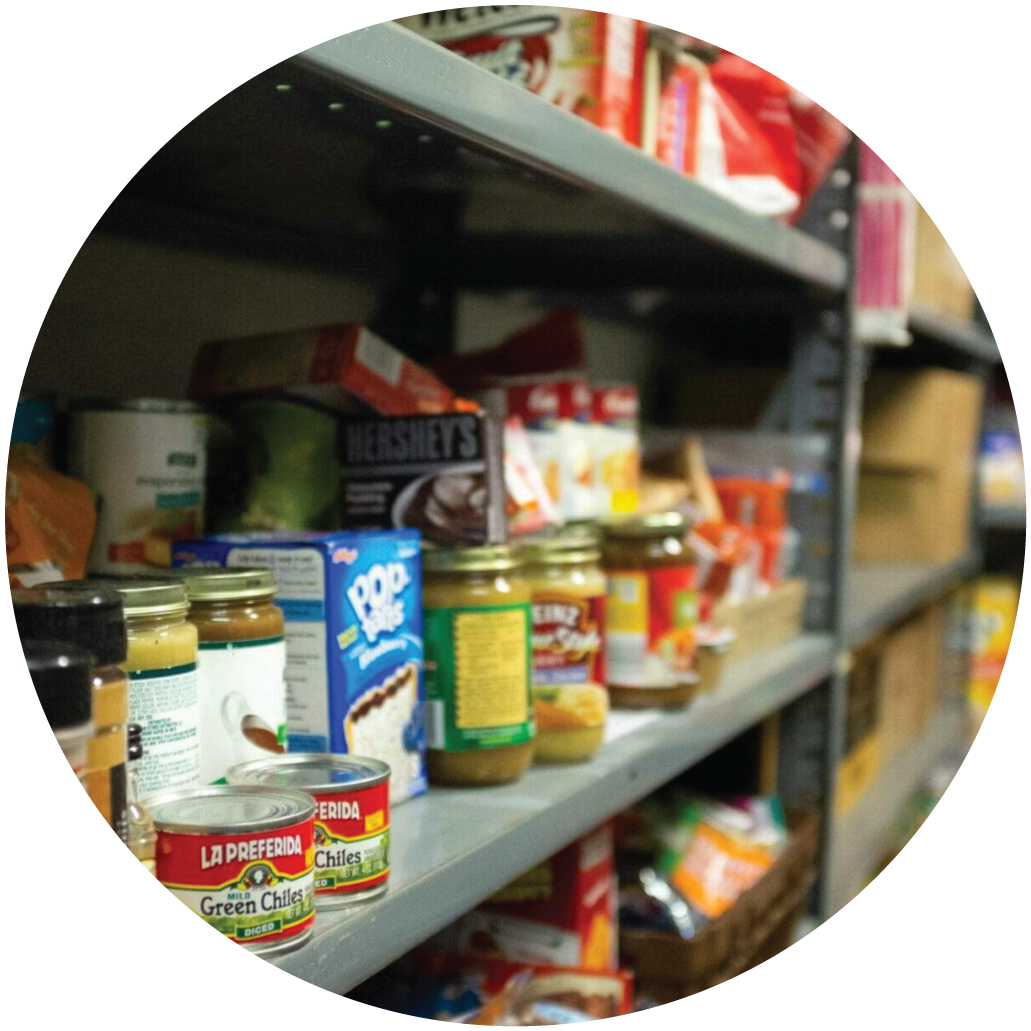
Our certified, trained call specialists can answer questions or walk you through the steps to access a wide range of resources and programs that can help with needs such as: housing, utilities, food, childcare, job loss, health care, older adult services, or someone to talk with when you’re feeling lonely or depressed.
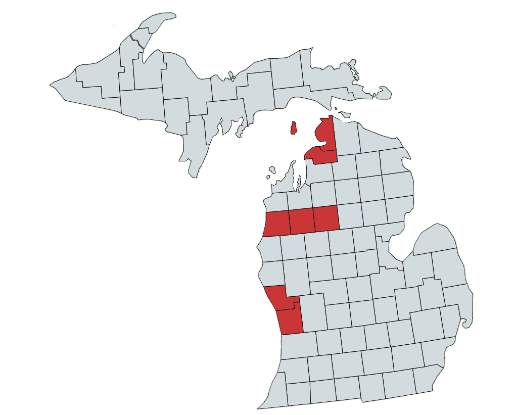
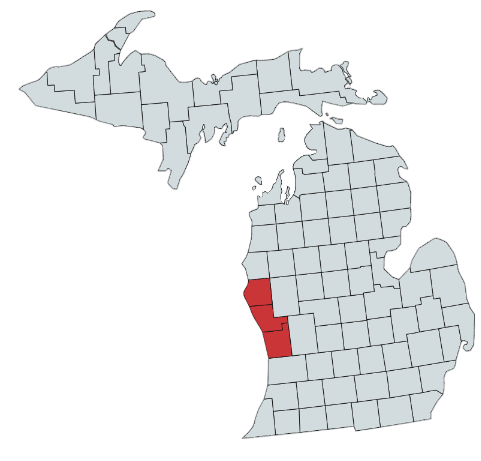
C.A.L.L.’s programming is designed to build stronger communities in Charlevoix, Emmet, Manistee, Missaukee, Muskegon, Oceana, Ottawa, and Wexford counties.
residents assisted last year. How can we help you?
Connecting Residents with Resources Through 211 Service.
211 information and referral service is simple and easy to use no matter your age or situation. 211 connects you with community agencies or organizations whether you need assistance with rent, gas or electric payments, food, housing, employment, job training, mental health, bereavement counseling or other resources. 211 is available:
hours a day
days a week
days a year
Languages
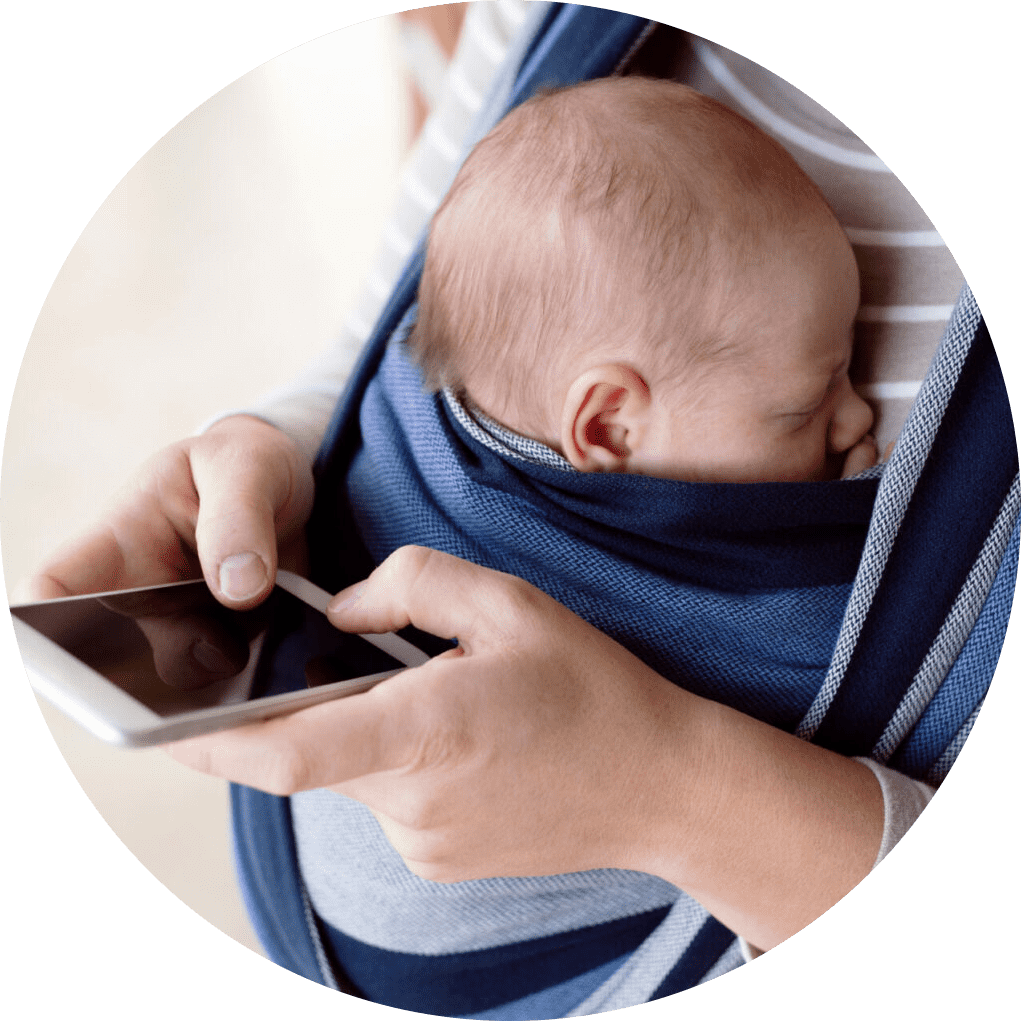
Easily Connect with 211.
Area served: Charlevoix, Emmet, Manistee, Missaukee, Muskegon, Ottawa, and Wexford counties.
TEXT*
Assisting Seniors and Caregivers to Find Programs and Services.
Community Access Line of the Lakeshore helps seniors thrive in whatever place they call home. Whether it’s providing senior focused information and assistance, finding agencies or government funded programs designed for older adults so they can safely stay at home, or just a friendly voice at the other end of regularly scheduled phone call, our staff are specially trained to assist.
Keeping Residents Informed.
Need information on mobile food pantry locations, timely health information or want to visit us at an upcoming fair or event, we can help.

Chat Privacy Disclaimer
Community Access Line of the Lakeshore, Inc. (C.A.L.L. 211) chat service is intended to provide information about and referrals to local services and programs in Charlevoix, Emmet, Muskegon, Ottawa, Manistee, Wexford, and Missaukee counties and older adult information and assistance for Muskegon, Oceana and Ottawa county residents.
Providing Your Information
During your chat session, you will be asked to provide us some demographic information such as email address, zip code and age. C.A.L.L. 211 is committed to your privacy and agrees to keep your information confidential. If you choose to share additional personal information with us, it will be used for internal purposes allowing us to better serve you. We never sell, rent or exchange any of our clients; information. Any information provided by you will be disclosed in accordance with applicable local, State and Federal laws and regulations. A transcript of your chat session between you and our referral Information and Referral Specialist is recorded and stored for quality
assurance and training purposes. You will be asked to provide your email address so that a copy of the chat session can be emailed to you for your records.
Chat Session Agreement
With any online service, there is some level of risk when communicating over the Internet. By reading and agreeing with this Privacy Disclaimer and engaging in one of our chat sessions, you give permission to C.A.L.L. 211 to provide you some assistance today and to use the information you provide to us for further reporting purposes. Furthermore, you understand that C.A.L.L. 211 will undertake all efforts to protect your information, but it is not responsible for any information that you may enter during the chat session.